

The right cutting board depends on what you do with it. A board with a juice groove is best for carving meat, a board with a handle is best for quick prep and serving, a live edge board is best for charcuterie and display, and an engraved recipe or monogram board is best as a keepsake or gift.
Here are five cutting board recommendations, what each style is best for, and our pick for each, plus a quick guide to the woods we make them in.
1. Live edge boards: best for serving and display
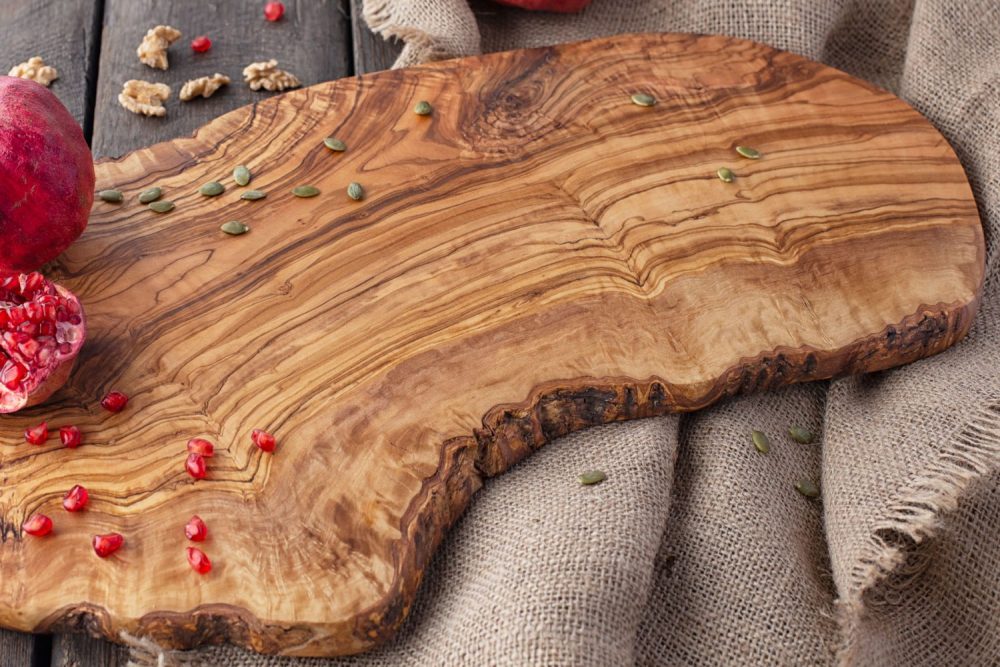
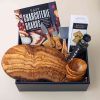
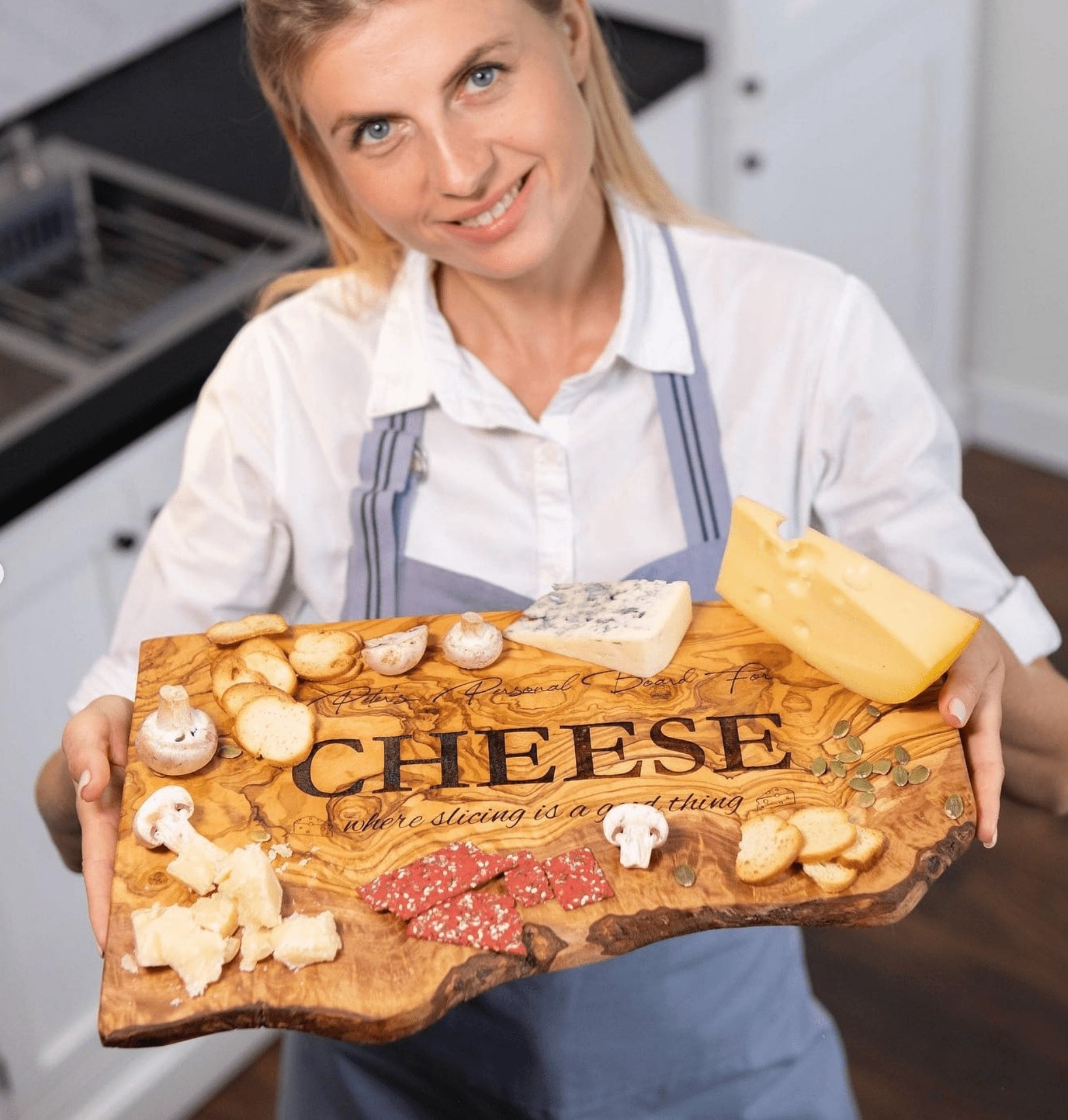
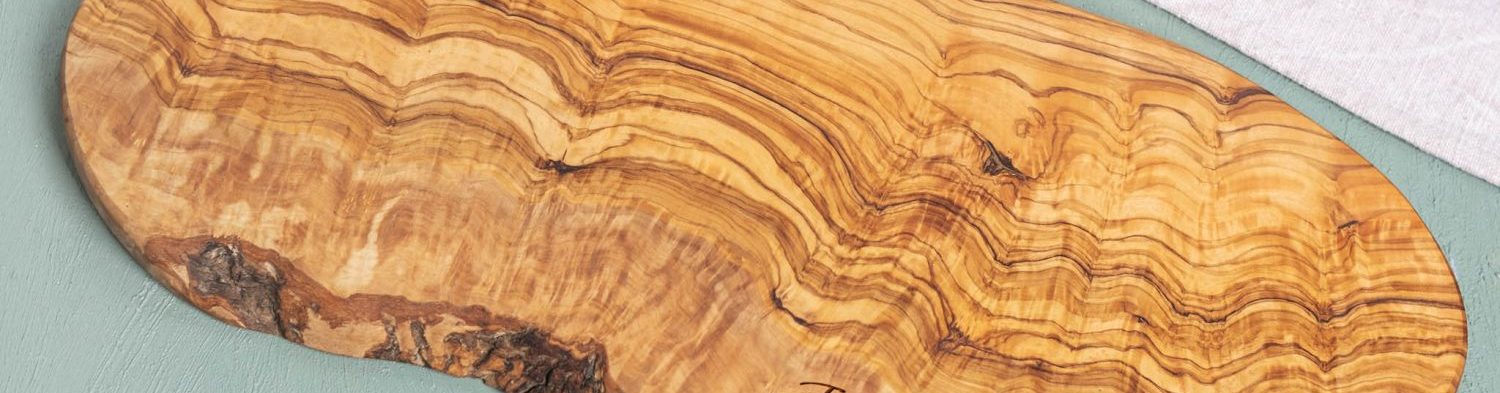
A live edge board keeps the natural outer edge of the tree, often with the bark still on, so no two are the same shape. Our live edge cutting boards are cut from a single piece of olive trunk, from small oval serving boards to extra-large statement boards.
Best for: charcuterie, cheese boards, bread, and leaving out on the counter as decor.
Keep in mind: the uneven edge makes them less practical for heavy daily chopping. Use the flat center for light cutting and save the board for serving.
Our pick: the Olive Wood Live Edge Cutting Board, one of our best sellers, available from small serving sizes up.
2. Boards with a handle: best for quick prep and carrying
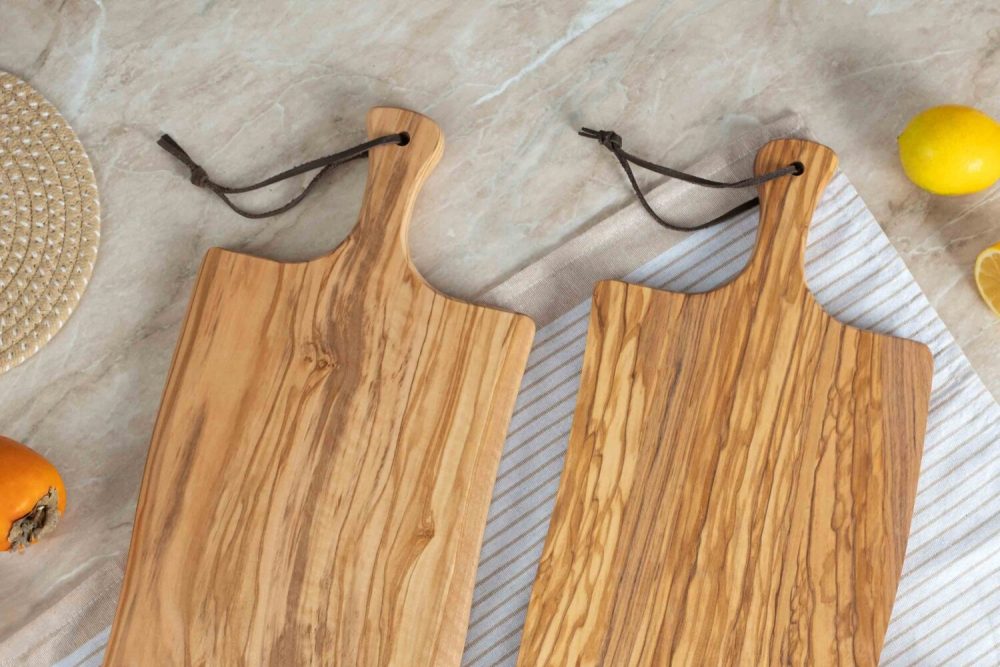
A handle makes a board easy to grab, carry to the table and hang on a hook. Boards with handles are usually small to medium, which makes them handy for slicing a lemon, an onion or a loaf of bread.
We make them in maple, cherry, walnut and bamboo, plus a personalized olive wood board with a handle.
Best for: small kitchens, everyday prep, and serving bread or cheese straight from the counter.
Our pick: the Walnut Cutting Board with Handle (12 x 9 inches), small enough to hang and dark enough to look good on the counter.
3. Juice groove boards: best for meat and grilling
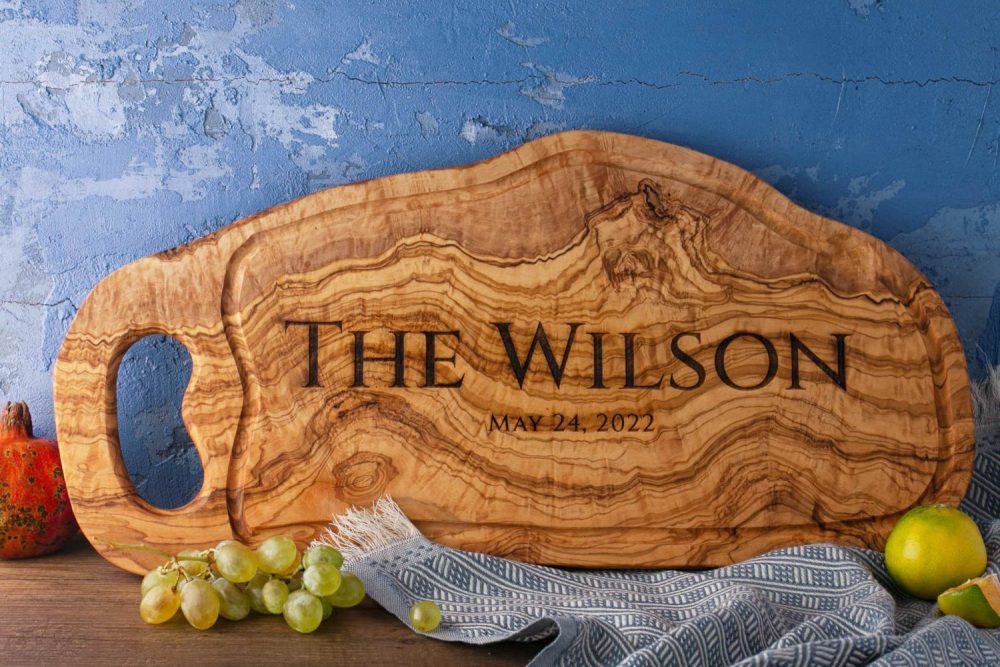
A juice groove is a channel cut around the edge of the board. When you rest and carve meat, the juices collect in the groove instead of running onto the counter. These boards are usually larger, so there is room for a roast, a brisket or a whole chicken.
Ours come in maple, cherry, walnut and bamboo, and for grillers there is a personalized 20-inch olive wood BBQ board.
Best for: carving meat, juicy fruit like watermelon, and anyone who grills.
Keep in mind: use the flat side for chopping vegetables, so the groove does not get in the way.
Our pick: the Large Maple Cutting Board with Juice Groove (17 x 11 inches), big enough for a roast or a brisket.
4. Recipe boards: best as a keepsake
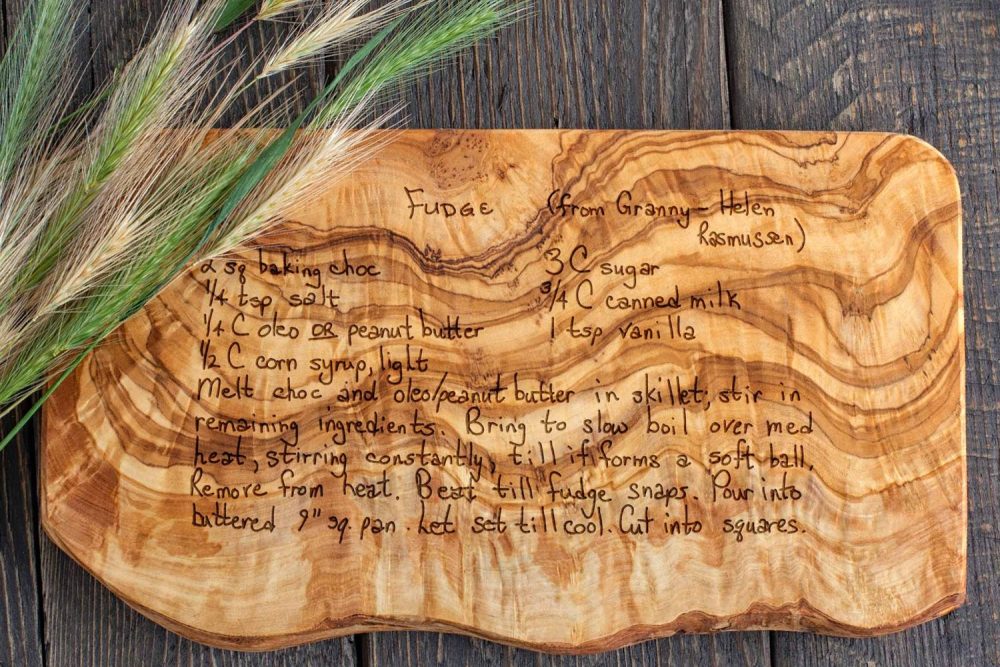
A recipe board carries a family recipe engraved in the original handwriting. You send a photo of the recipe card, our team cleans up stains and faded lines, and you approve a free preview before we engrave. If you only have a typed recipe, it can be set in a clean kitchen-style font instead.
For full recipes, we recommend maple or cherry, because the light wood makes the engraved text easy to read. Olive wood’s bold grain can make small text harder to read. Browse our personalized recipe cutting boards.
Best for: a gift for a parent or grandparent, a family heirloom, or a board that hangs on the wall.
Our pick: the Engraved Recipe Cutting Board, engraved from a photo of the original handwritten card.
5. Monogram and name boards: best as a gift
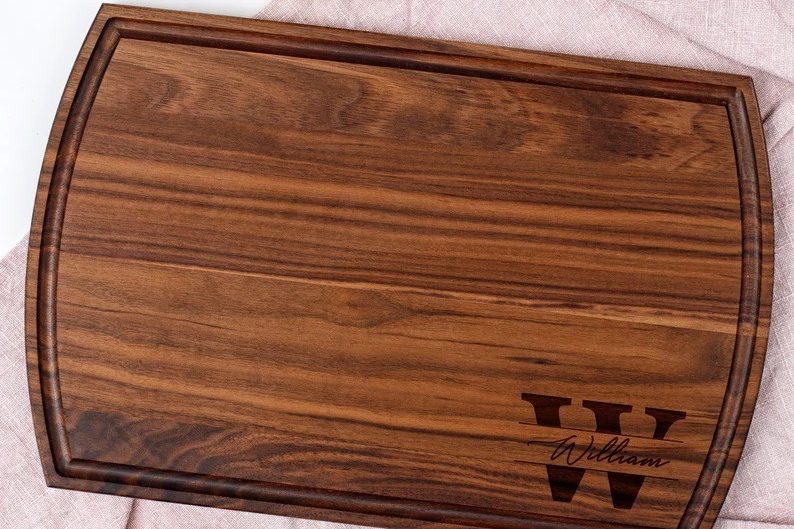
A monogram, a family name or a couple’s names and wedding date turn a regular board into something personal. Our monogrammed wooden cutting board and name boards are popular for weddings, anniversaries and housewarmings. See all our personalized cutting boards.
Best for: wedding, anniversary and housewarming gifts.
Tip: many people cut on the plain side and keep the engraved side for serving, so the design stays sharp. For wording ideas by occasion, see our guide to what to engrave on a cutting board.
Our pick: the Personalized Wedding Cutting Board with Custom Names and Dates for couples, or the monogrammed board for a housewarming.
Which wood to choose
Every style above comes in one or more of these five materials:
| Wood | Look | Good to know |
| Maple | Light and even | A classic, easy to keep clean, and the best background for engraved text |
| Cherry | Warm reddish brown | Deepens in color as it ages |
| Walnut | Dark and rich | Hides stains well and looks great as a serving board |
| Olive wood | Golden with dark, swirling grain | Dense and different in every piece; ideal for live edge and serving boards |
| Bamboo | Light, uniform | Lightweight and budget-friendly; technically a grass, not a wood |
If you are deciding between olive wood and the others, our olive wood cutting board guide goes into more detail.
Quick guide: which style is right for you
| If you mostly | Choose |
| Serve cheese, charcuterie or bread | Live edge board |
| Do quick prep in a small kitchen | Board with a handle |
| Carve meat or grill | Juice groove board |
| Want a meaningful gift for family | Recipe board |
| Want a wedding or housewarming gift | Monogram or name board |
Many kitchens end up with two: one plain board for daily chopping and one live edge or engraved board for serving and display.
Frequently Asked Questions
What is the best type of cutting board for everyday use?
A medium flat board in maple, cherry or walnut, around 16 x 10 inches. It is large enough for most prep and easy to wash.
What is a juice groove on a cutting board for?
It catches juices from meat or fruit so they stay on the board instead of running onto the counter.
Can you cut on a live edge board?
Yes, on the flat center, but live edge boards are best for serving and display rather than heavy daily chopping.
Which wood is best for an engraved recipe board?
Maple or cherry. Their light color gives engraved text strong contrast, so the recipe is easy to read.
Can you use an engraved cutting board?
Yes. Most people cut on the plain side and keep the engraved side for serving.