



5% OFF
5% OFF
5% OFF
5% OFF
WHY WALNUT
The board that stays out on the counter
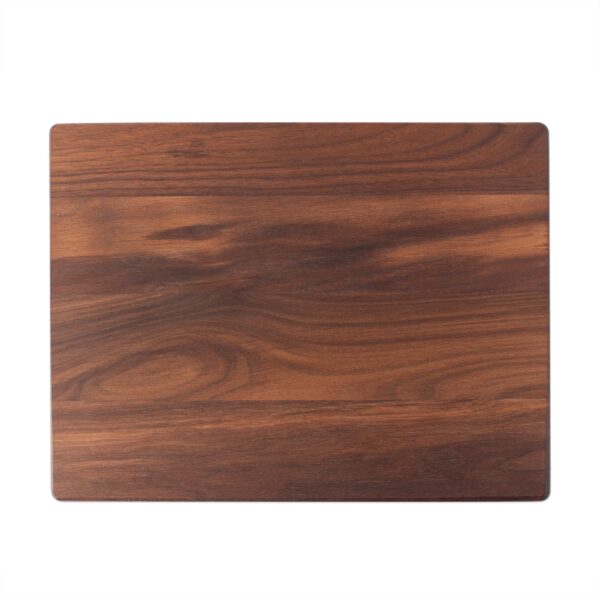
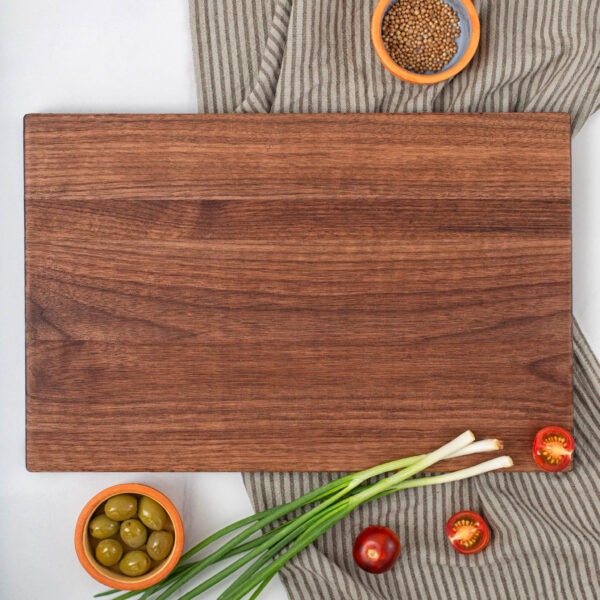
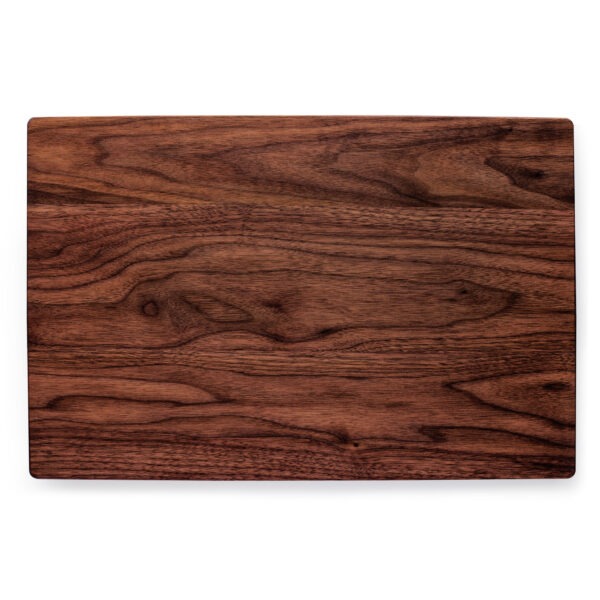
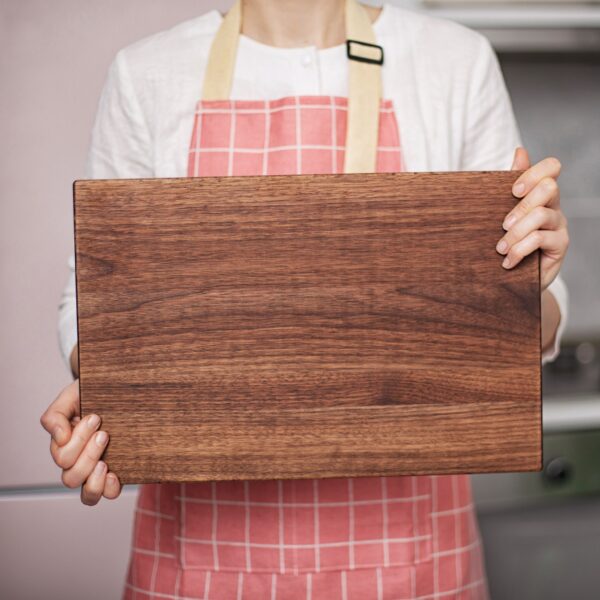
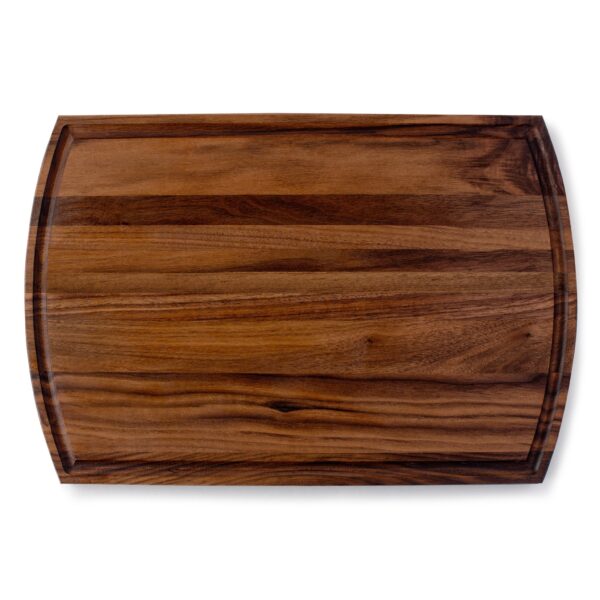
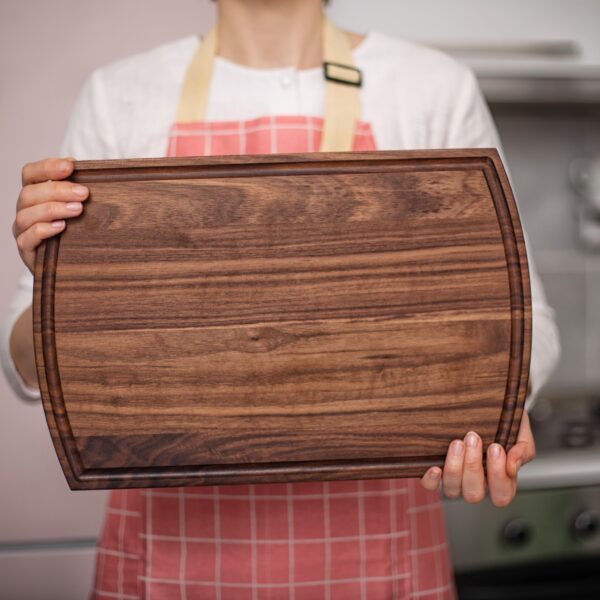
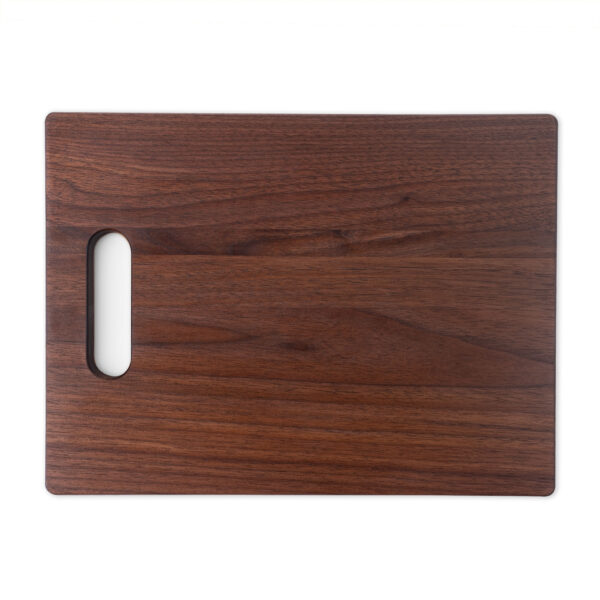
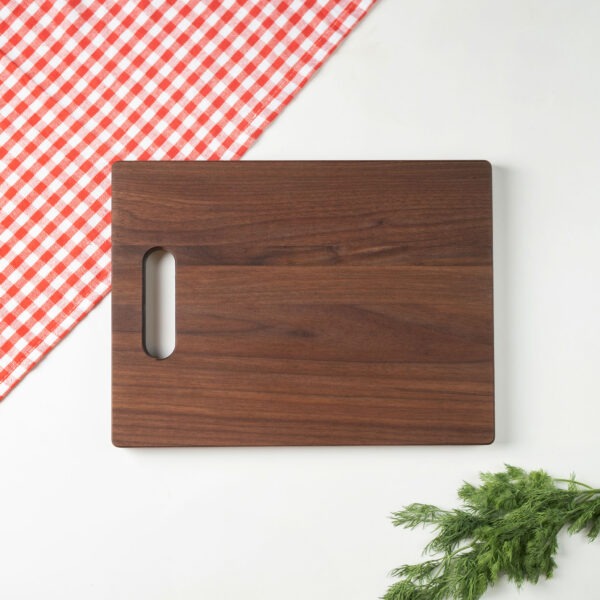
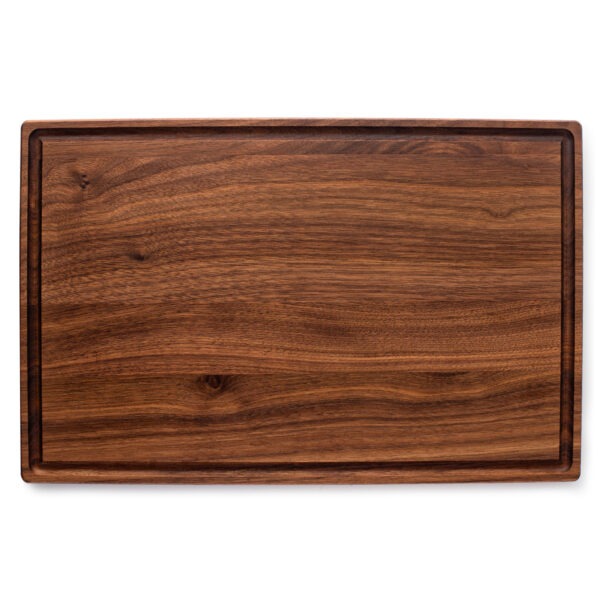
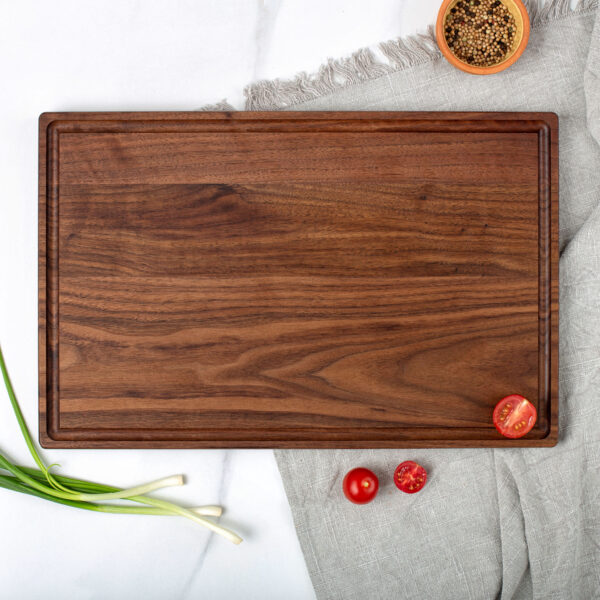
Walnut is the wood people choose with their eyes — rich, dark, unmistakably premium — and then keep for how it behaves. It's slightly gentler on knife edges than the harder maples, its deep tone hides the stains and shadows that show on pale boards, and dark wood flatters food the way a dark plate does: cheese, bread, tomatoes, everything pops against it. Ours are American-made from US and Canadian black walnut, panel-joined and finished with food-safe mineral oil, from the 12×9 up to the inch-thick 17×11 with juice groove. It's the board that never gets put away — which is precisely the argument for it. Gifting one? Bold engraving — a name, a grill title — reads beautifully on walnut's dark face over at personalized cutting boards.
QUESTIONS
Walnut cutting boards, answered
Is walnut good for a cutting board, or just good-looking?
Both, genuinely. Walnut is a true hardwood with a closed grain — durable, moisture-resistant, food-safe — while sitting a touch softer than maple, which makes it the kindest of the classic board woods on your knife edges. The looks are the bonus, not the substance.
Does walnut show stains and knife marks?
This is walnut's quiet superpower: the deep brown tone absorbs the visual evidence. Light scoring, beet incidents, the shadow of years of use — what would show plainly on maple simply disappears into walnut's color. It's the board for people who use their board hard and want it looking composed anyway.
Walnut vs. maple — which should I get?
Maple if the board is a pure tool: it's harder, lighter-faced, the professional default. Walnut if the board is also furniture: gentler on edges, better at hiding wear, and the one guests comment on. The honest answer many kitchens land on: maple for prep, walnut for the counter and the table.
Is dark wood like walnut food-safe?
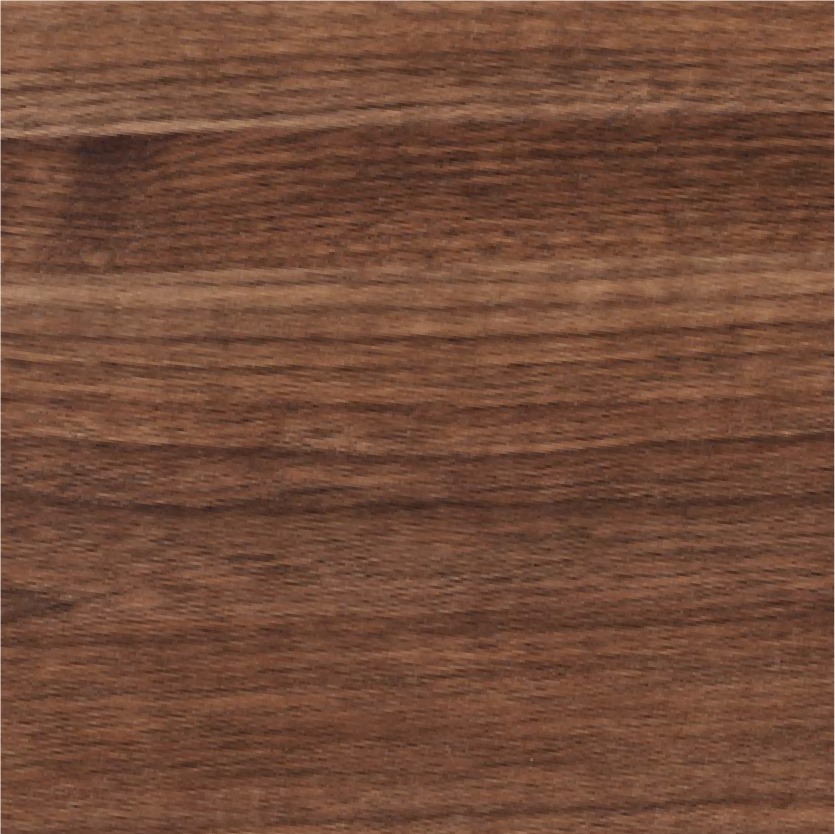
Fully — the color is the tree's, not a stain or treatment. Our walnut boards carry nothing but food-grade mineral oil; no dyes, lacquers, or chemicals. The chocolate tone runs through the wood itself, which is why it never fades off onto food or hands.
What's the best walnut board for carving meat?
The 17×11 with juice groove — the largest and thickest walnut in the line at a full inch, with the groove catching what a resting roast gives up. Between its heft and the dark face that shrugs off juices, it's the board that earns Thanksgiving.
Want a name on it?
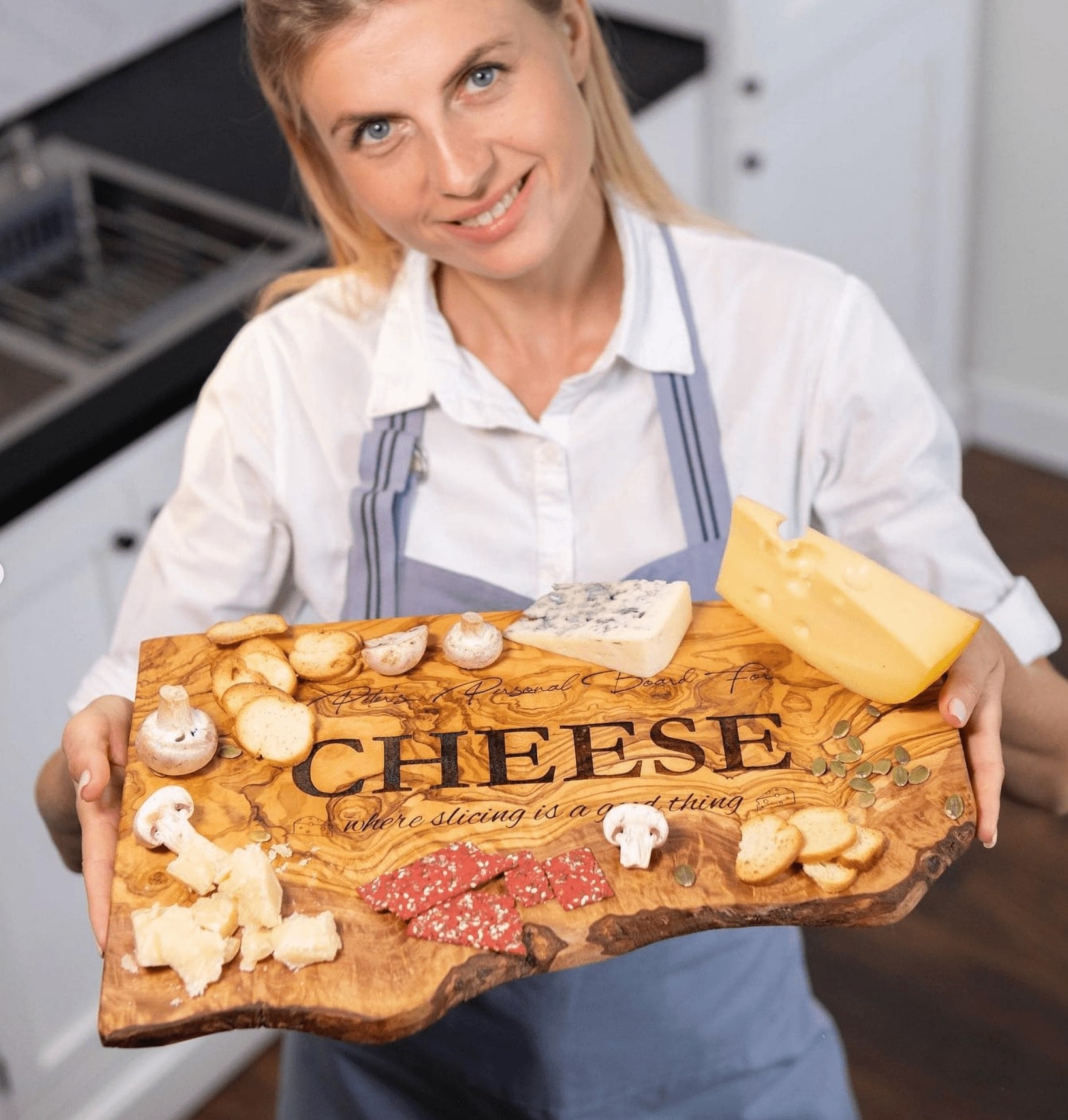
Bold designs love walnut's dark face — names, est. dates, grill titles engraved deep. Same boards, personalized to order with a free preview.