
Wholesale · Olive Wood
Olive wood your customers pick up twice.
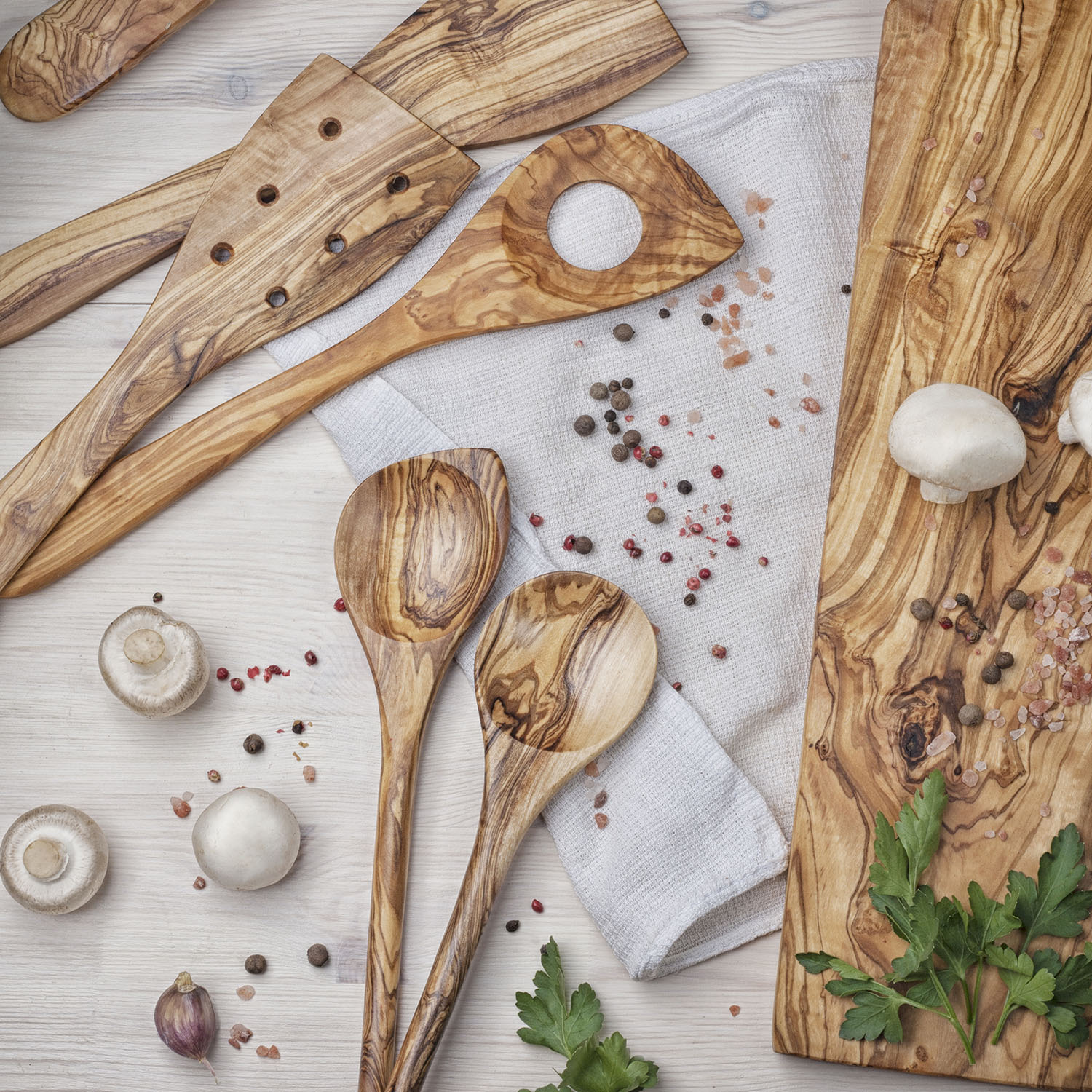
Bowls, boards, utensils, and kitchenware in Mediterranean olive wood — dense, food-safe, and grained so distinctly that no two pieces on your shelf are alike. Finished and packed in our Salt Lake City workshop.
Why it sells
Why retailers carry olive wood
Olive wood earns its shelf space: it looks premium, holds up to daily use, and gifts well at impulse and mid-tier price points.
Grain
Every piece is one of one
Wild figuring means customers browse the shelf, not just the SKU — a natural upsell to “pick the one you like.”
Density
Harder than maple
Olive is one of the densest culinary woods — it resists knife marks, warping, and odors better than most boards you stock.
Food-safe
Ready for the kitchen wall to the counter
Finished with food-grade oil, no lacquers. Merchandise it as usable, not just decorative.
Giftable
Spread of price points
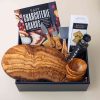
From coasters and utensils to statement charcuterie boards — one material, entry to premium.
The line
What’s in the olive wood range
Browse the categories you want to carry, then request the wholesale price sheet — it covers every SKU below.
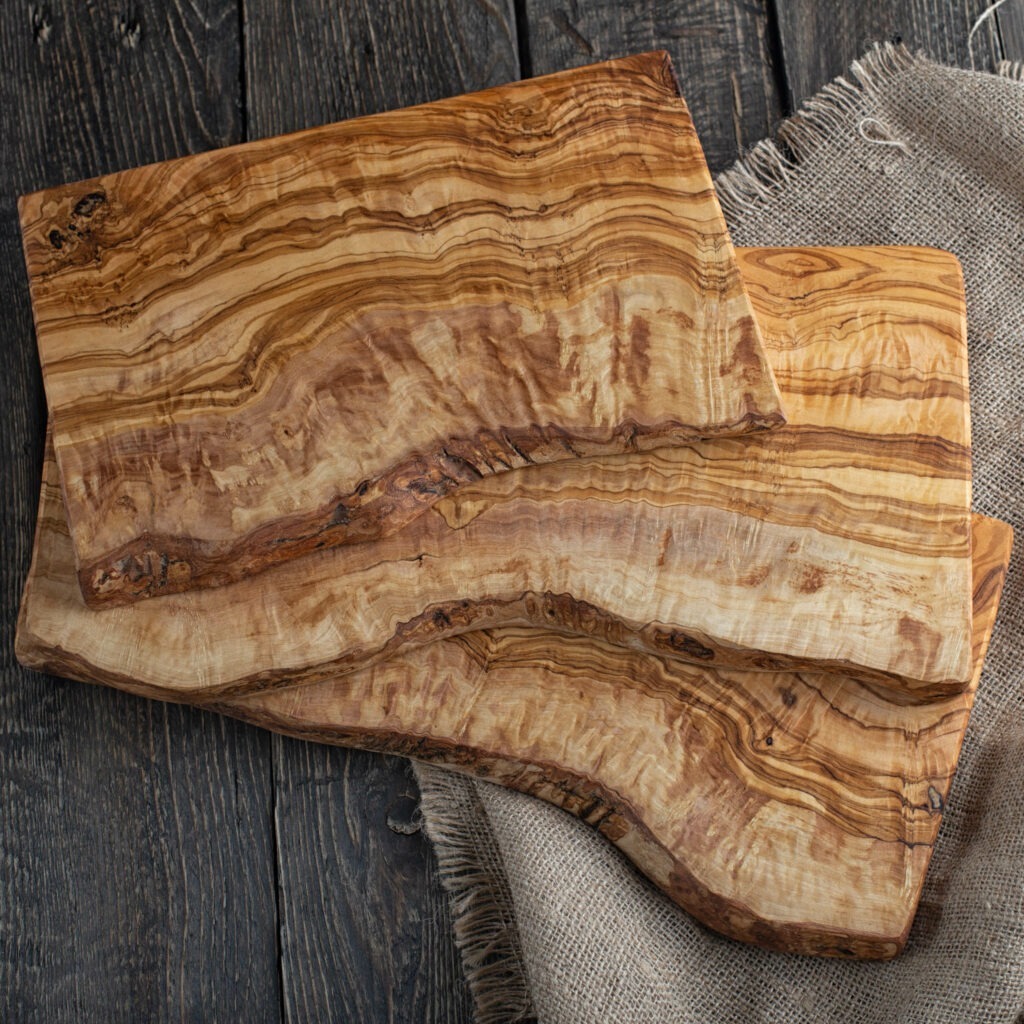
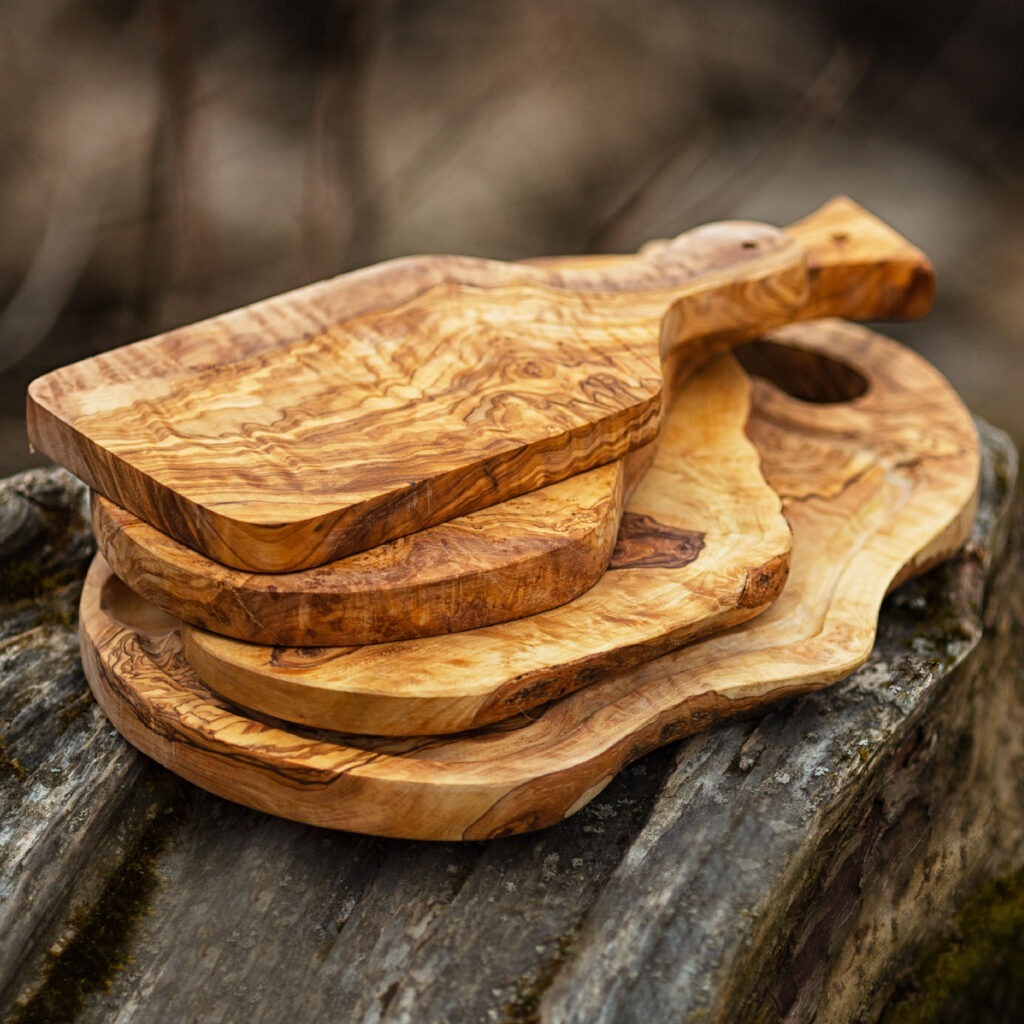
Charcuterie Boards
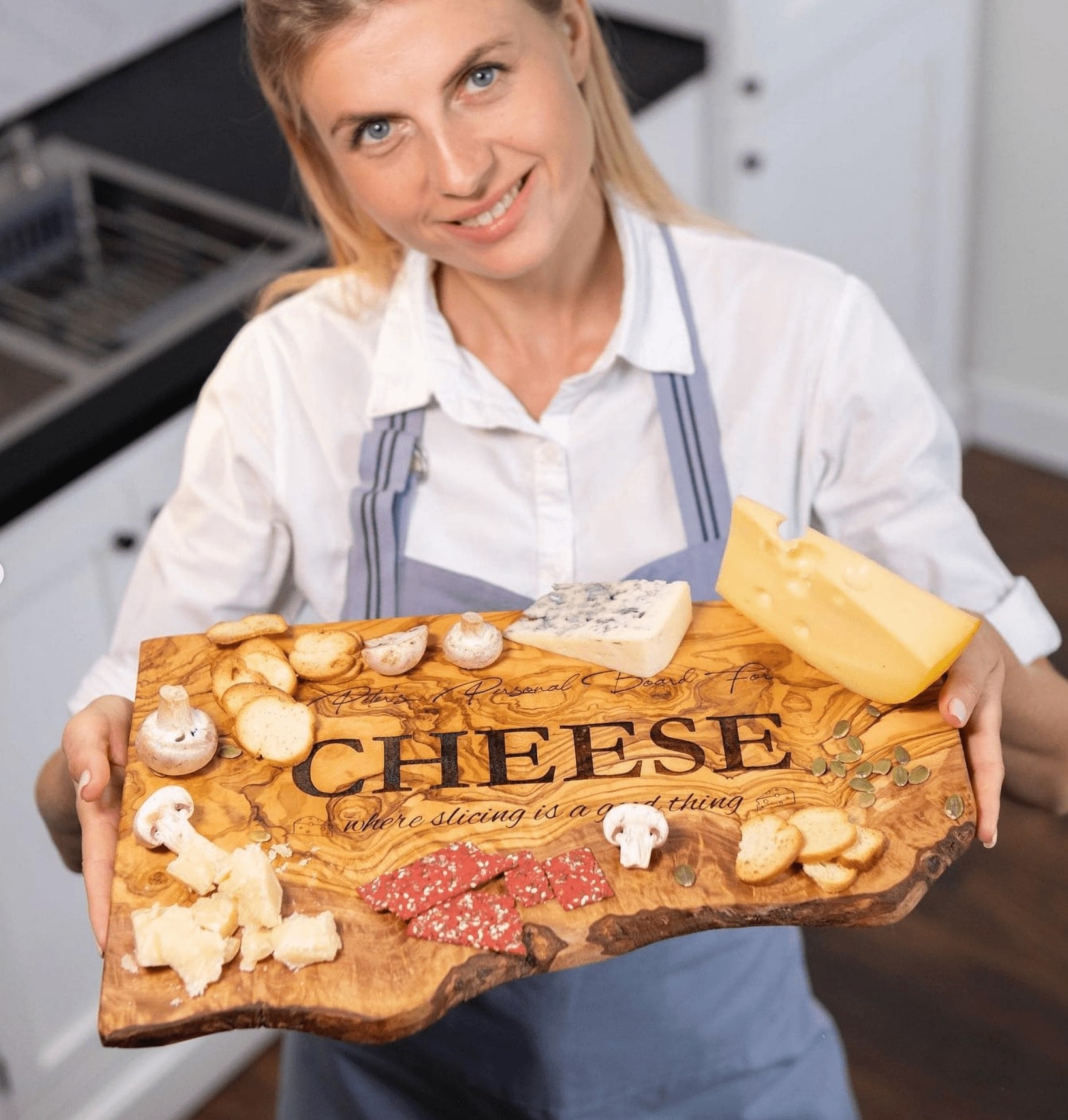
Bark-line edges kept intact; the rustic best-seller.
Natural shapes
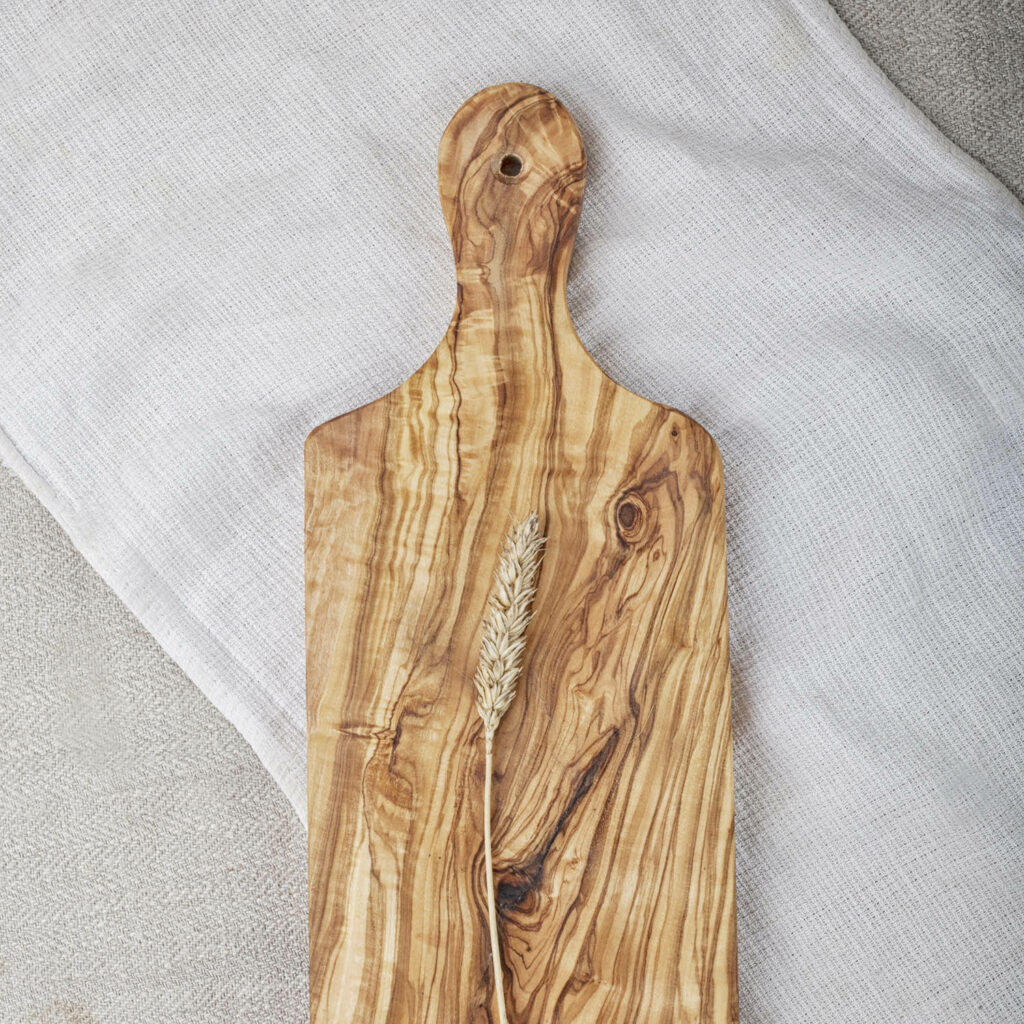
Paddle boards
Handled boards for bread, cheese, and café service.
3 sizes · engravable
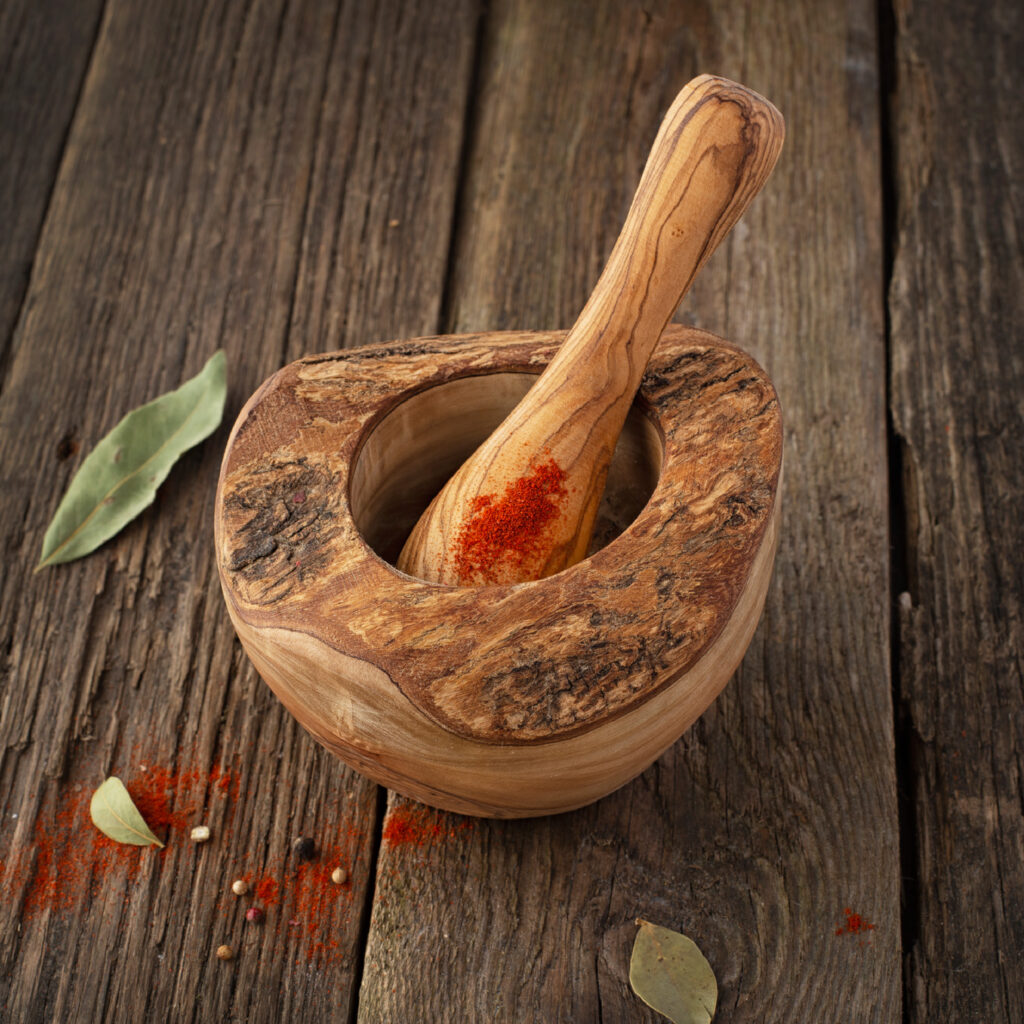
Mortar & pestle
Solid-turned sets with real weight in hand.
2 sizes
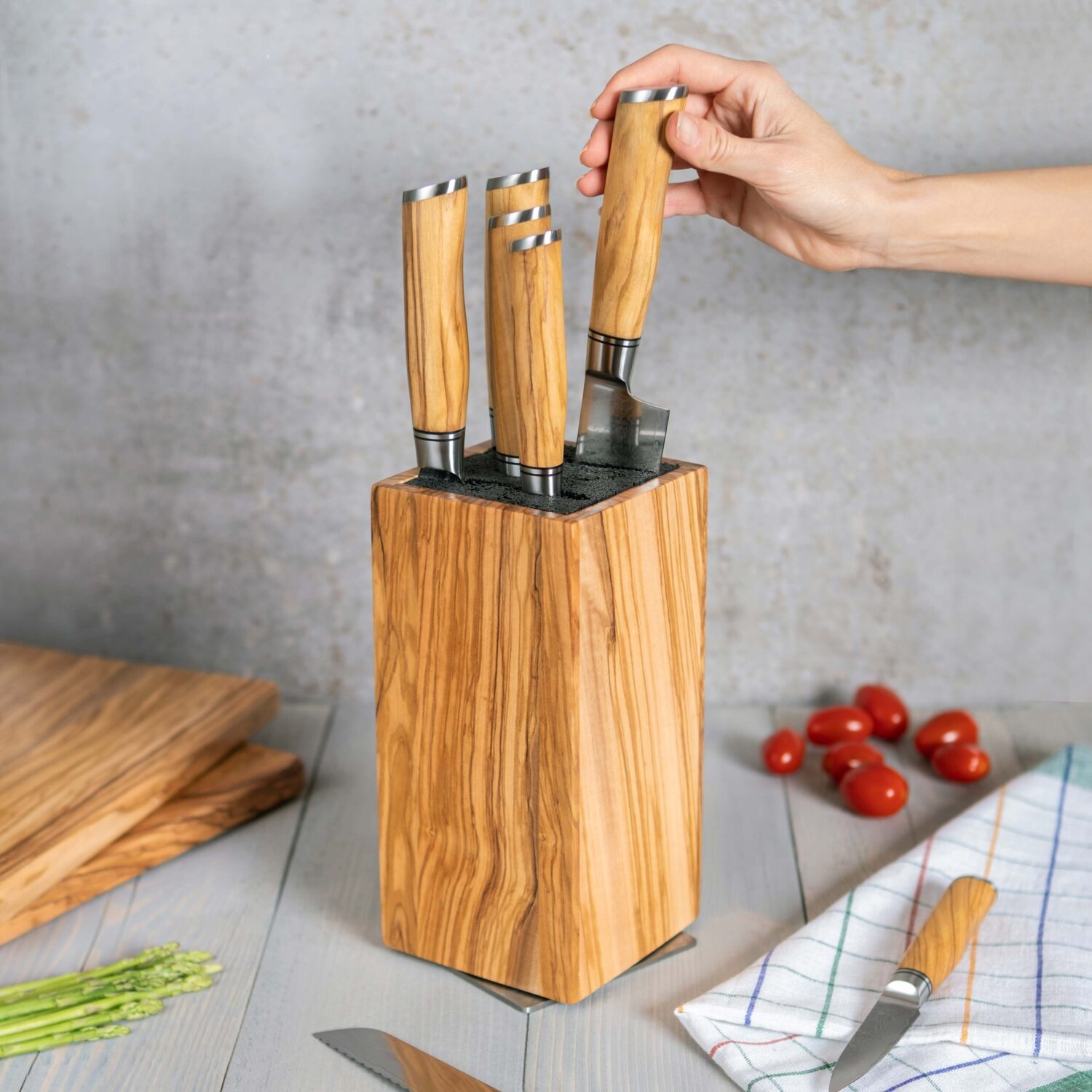
Knives
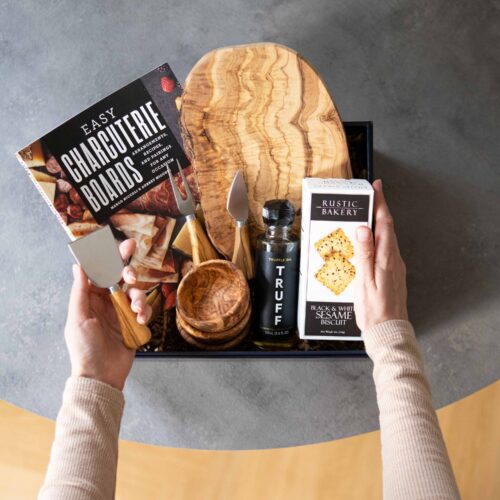
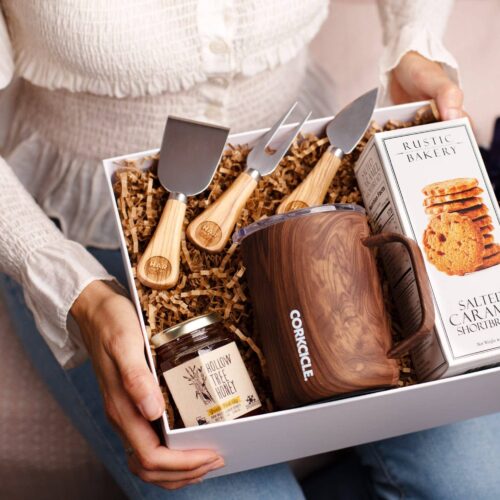
Olive-handled cheese knife sets that bundle with boards.
Sets of 3–6
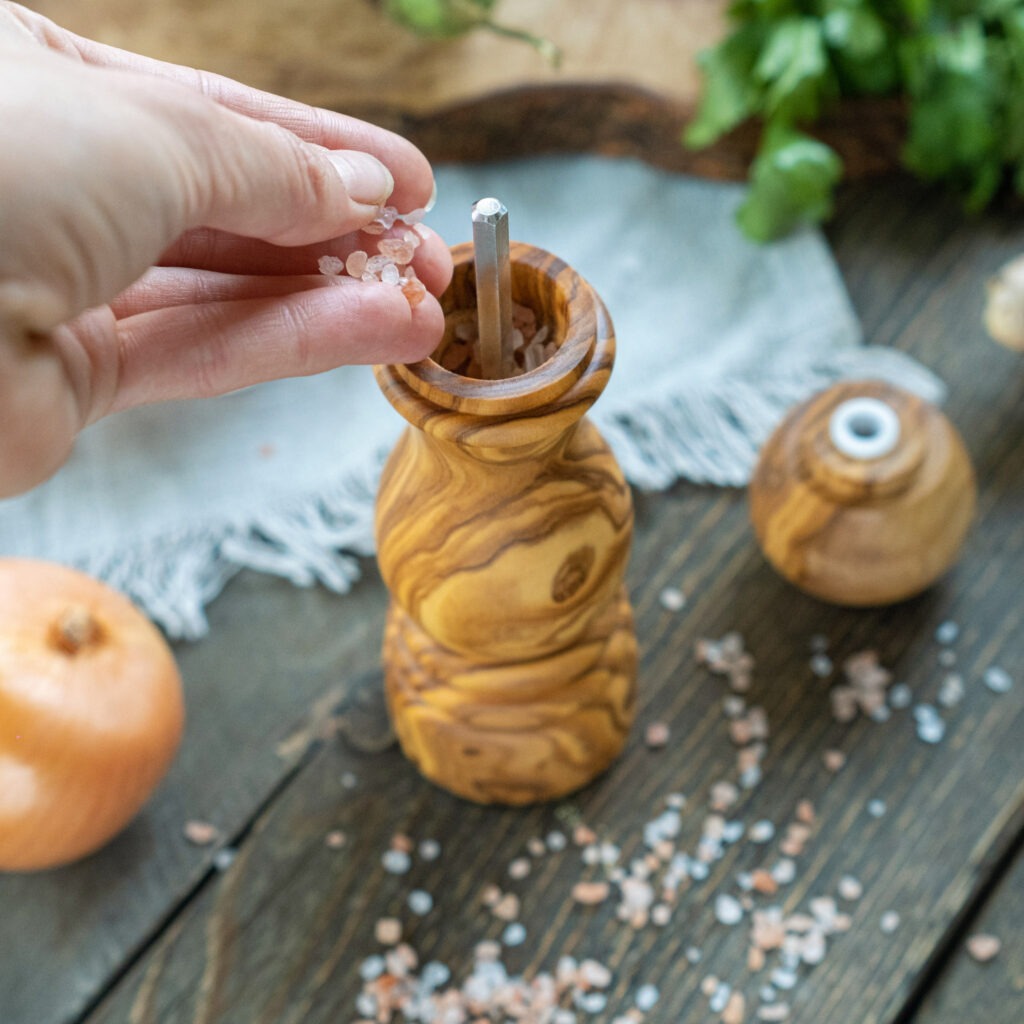
Shakers
Salt and pepper shakers and salt cellars for the counter.
4 sizes
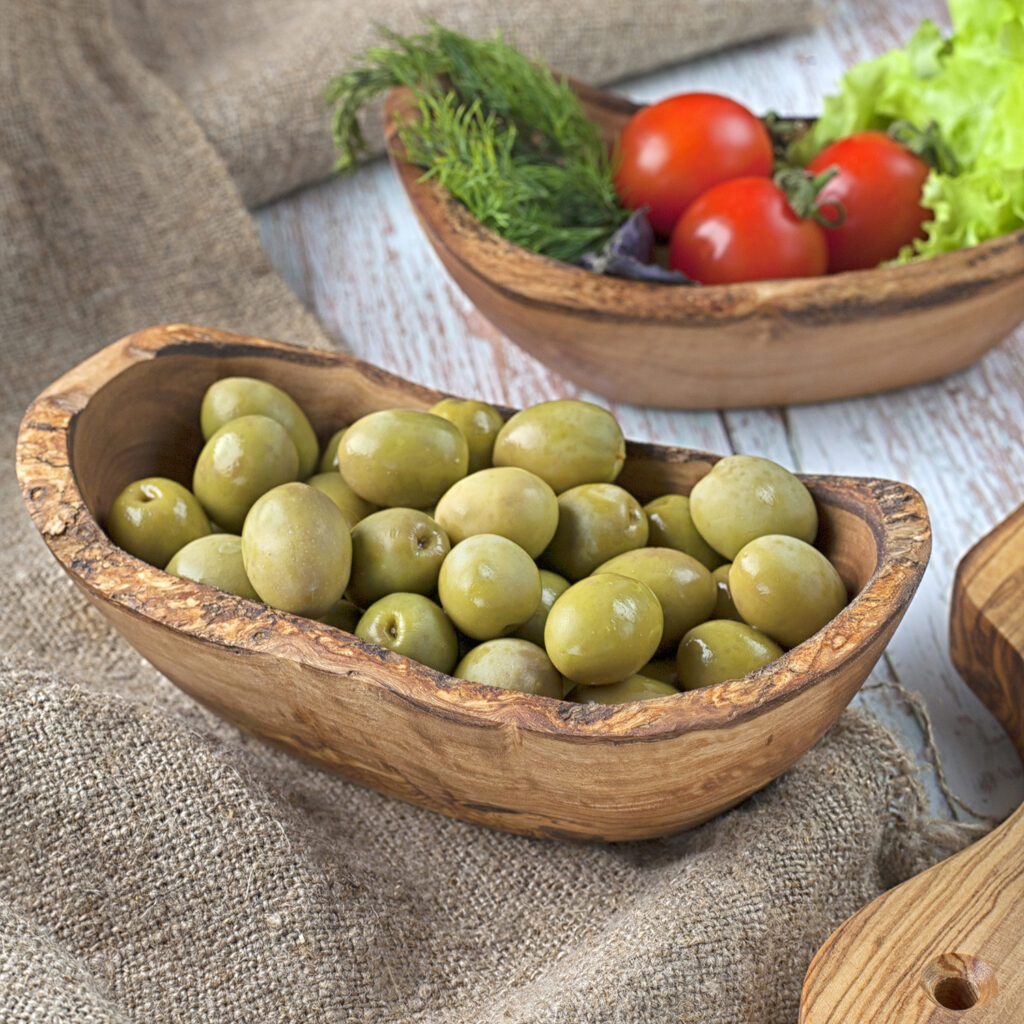
Bowls
Turned bowls for fruit, salad, and serving.
3 sizes
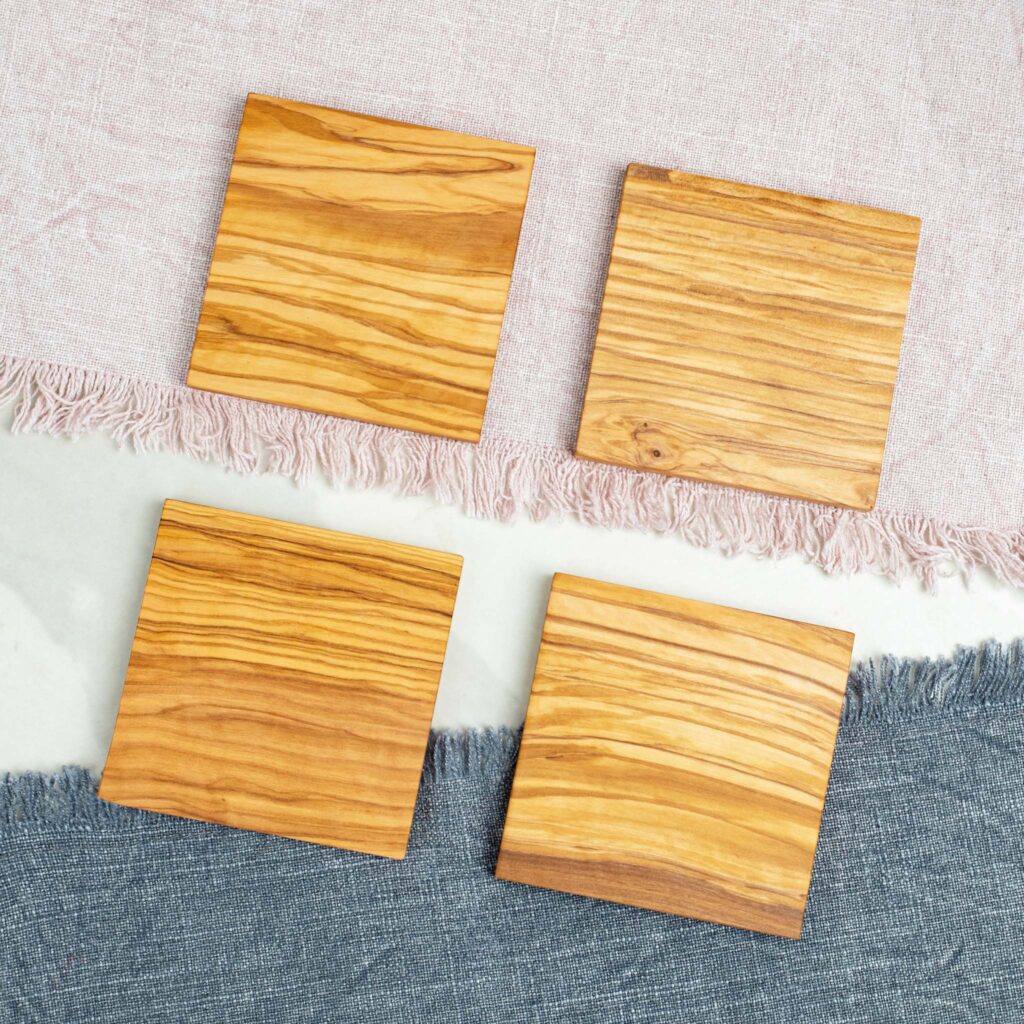
Coasters
Impulse-priced and easy to bundle.
Sets of 4–6
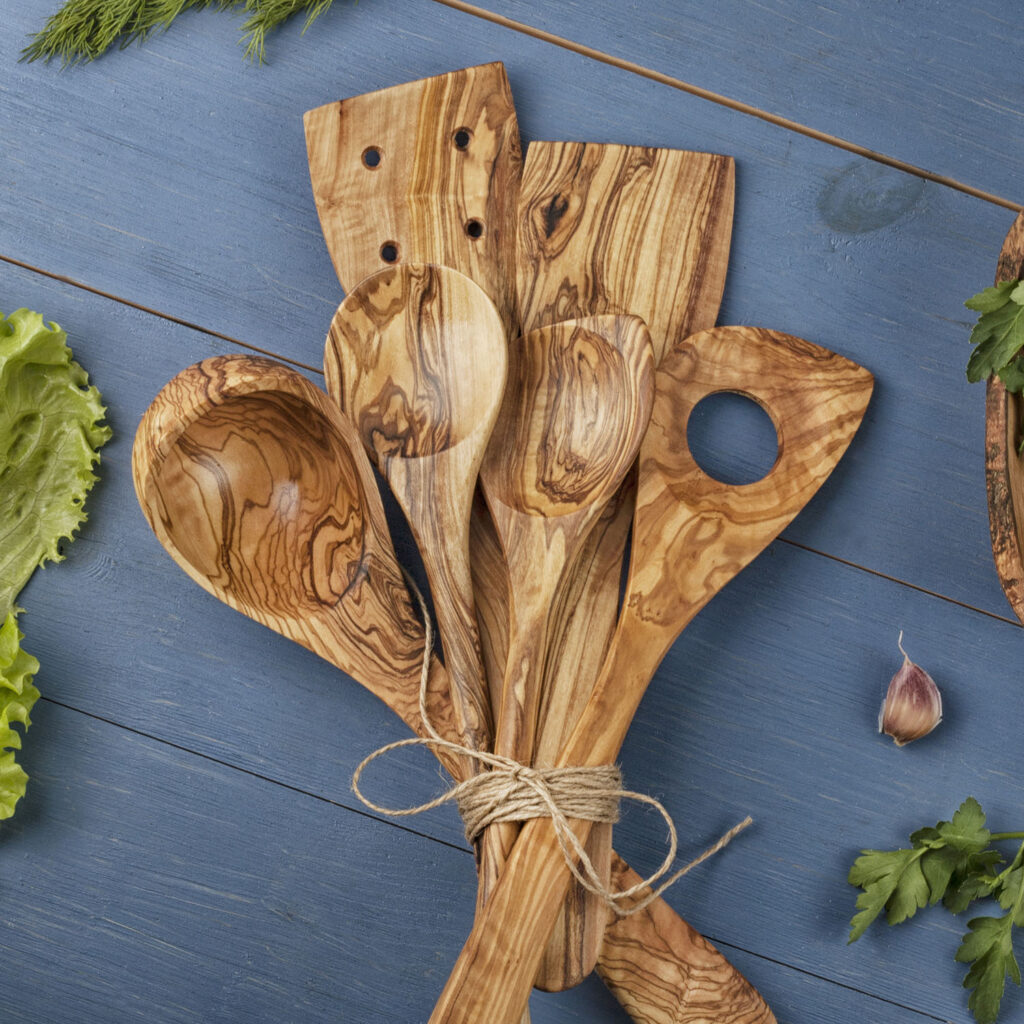
Utensils
Spoons, spatulas, and salad servers; high-turn counter items.
Sets & singles
Sourcing
From retired groves, nothing wasted
Our olive wood comes from trees that no longer produce fruit. We use the whole tree: trunks become boards and bowls, smaller branches become utensils and coasters.
Every board is graded by hand. We cut seven to ten for every Grade A; wholesale accounts receive Grade B and C at trade pricing — the same wood, with more character — and can request Grade A while it lasts. Olive wood is a finite material, so certain sizes sell out most years; we confirm large runs against stock before you commit.
- Sourced from non-fruit-producing Mediterranean olive trees
- Whole-tree yield — minimal offcut waste
- A sustainability story you can print on your shelf talker
Terms
Pricing & lead times
Same tiers as all Forest Decor wholesale lines — one account covers everything.
| Order Size (Per Item) | Pricing | Typical Lead Time |
|---|---|---|
| Under 100 units | Retail pricing | 2–4 business days |
| 100–499 units | Wholesale tier 1 | 2–6 weeks |
| 500+ / custom | Custom quote | 60–90 days |
Shipping billed at cost from Utah via your chosen carrier · Net terms available for established accounts
Olive wood FAQ
Common questions
Is olive wood food-safe?
Yes — every piece is finished with food-grade oil only, no lacquers or synthetic coatings. Boards and utensils are safe for direct food contact out of the box.
Why do items look different even though they're the same product?
Olive wood has wild, high-contrast grain. Two boards of the same SKU will share dimensions but never patterning — most retailers merchandise this as a selling point.
How should customers care for olive wood?
Hand wash, dry upright, and re-oil occasionally with food-grade mineral oil. We include a care card in every unit, or can print yours on private-label runs.
Can you engrave olive wood pieces?
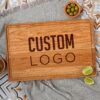
Yes, in-house — but engraved runs are corporate orders, not wholesale: quoted at corporate pricing with a proof before production. Request a quote →
What's the minimum order?
100 units per item for wholesale pricing. Under that, retail pricing applies. Large runs are confirmed against olive wood stock.
Which grade will I receive?
Grade B or C at wholesale pricing, graded by hand; Grade A on request while supply lasts. See the grades →
Let’s build something memorable.
Tell us about your list and we’ll get you a digital mockup and quote within 24 hours — whether it’s 10 gifts or 1,000.
By applying you agree to Forest Decor’s wholesale terms (801) 784-8481 · [email protected].
